



As financial systems around the world evolve, regulation and trust have become twin pillars shaping the future of financial services. In 2025, institutions globally are responding to a rising tide of compliance expectations, technological disruptions, and shifting customer demands. For Nigeria, the Central Bank’s recent focus on digital compliance reporting, especially in Anti-Money Laundering (AML), underscores the urgency of aligning operations with emerging standards. The Nigerian microfinance sector, serving millions at the base of the financial pyramid, must adapt swiftly to ensure sustainability, transparency, and continued relevance.
This July, MLDC zeroed in on two mission-critical areas—regulatory compliance and credit sustainability. With over 150 professionals trained in just two courses, July was marked by robust engagement, sector-wide knowledge sharing, and collective preparation for what lies ahead.
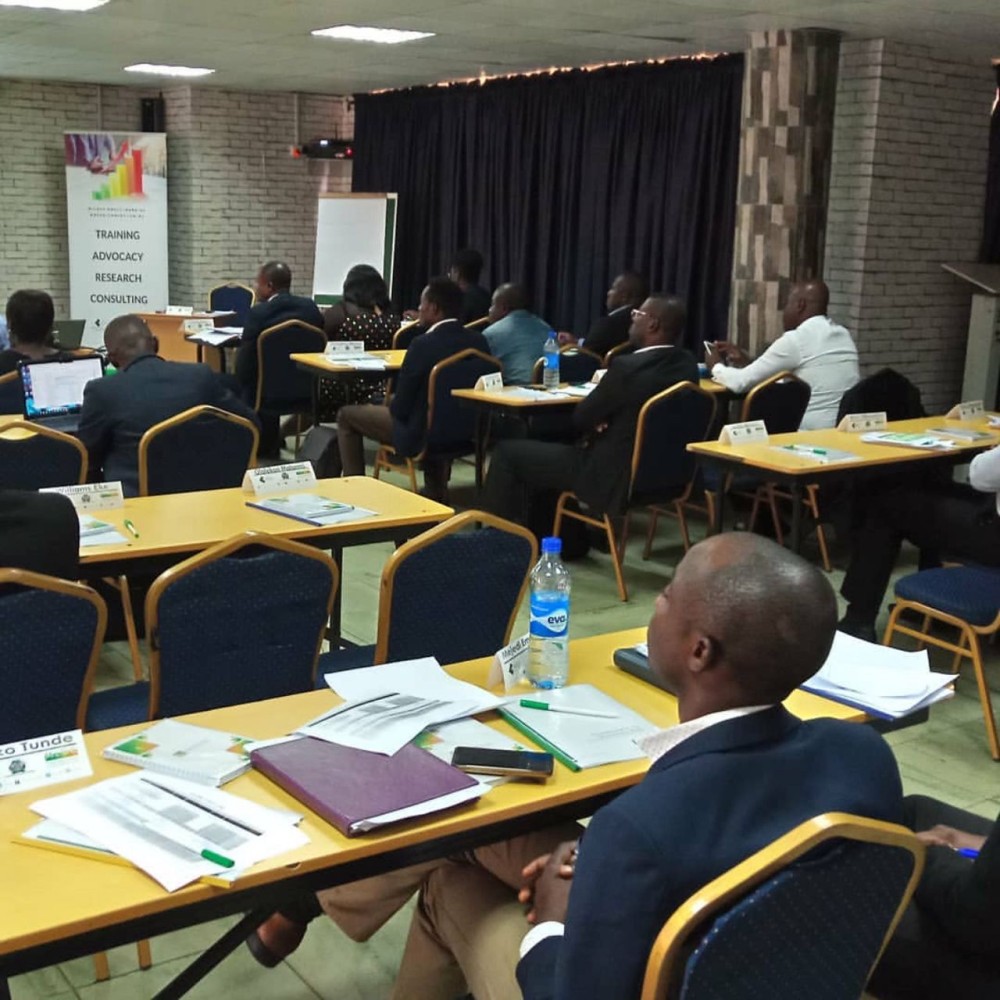
AML Baseline Standards Workshop: Preparing for a Digital Compliance Future
In anticipation of the Central Bank of Nigeria’s 2026 roll-out of a new digital AML reporting system, MLDC hosted two intensive workshops on Automated AML Baseline Standards. The first batch, held earlier in the month, trained 19 professionals, while the second stream welcomed 46 participants, bringing the total to 65 compliance and internal control officers.
Participants were guided through a comprehensive exploration of AML’s historical and operational frameworks within Nigeria’s financial sector, with particular attention to the digital transition and implications of the CBN’s future reporting mandates. Emphasis was placed on real-world case studies, practical simulations, and a deep dive into FATF-aligned controls.
The workshop reaffirmed the sector’s readiness to embrace a new digital era of compliance, with participants highlighting the need for proactive systems review, process automation, and capacity-building initiatives to mitigate risk exposure.
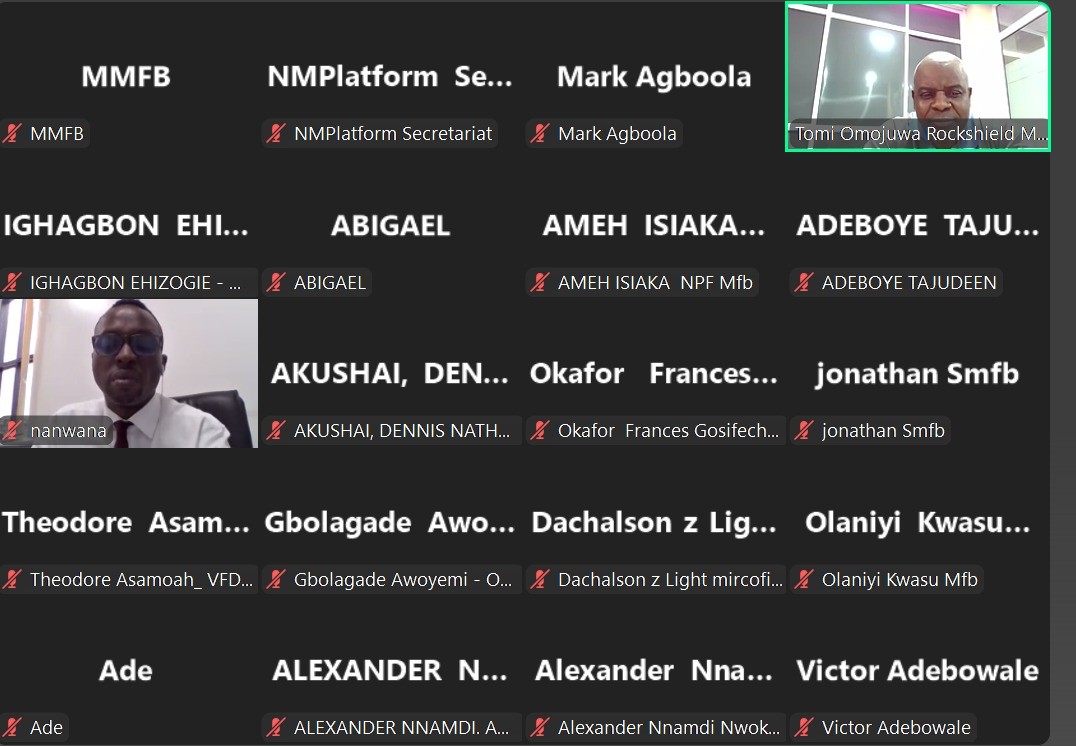
Strategic Credit Portfolio Management: Shaping Smarter Lending Frameworks
With inflationary pressures and volatile market conditions eroding borrower capacity, the quality of loan portfolios is emerging as a defining factor of institutional health. MLDC’s Strategic Credit Portfolio Management training in July attracted a record-setting 91 participants from across the microfinance industry.
The training offered a transformative look into the principles and practices of modern credit portfolio management. Sessions covered data-driven credit decisioning, behavioral scoring models, portfolio rebalancing strategies, and delinquency mitigation frameworks.
Participants left with clear strategies to enhance portfolio quality, reduce NPLs, and integrate long-term credit sustainability into their operations. In a sector where liquidity, lending discipline, and institutional trust are increasingly interlinked, this training underscored the role of strategic credit leadership in achieving financial inclusion goals.
Matters Arising: CBN’s Digital AML Compliance Framework and Sector Implications
July’s training programs were not merely reactive; they were positioned as proactive blueprints for institutional resilience. The CBN’s upcoming digital AML system, expected to go live in 2026, will require microfinance banks to align internal processes with digitized compliance expectations.
From structured reporting to automated red-flag systems, institutions must begin the process of digitizing compliance functions, training staff, and investing in scalable technology platforms. The workshops served as a wake-up call: compliance is no longer a check-box—it’s a core strategy for sustainability.
Projections: What Lies Ahead for H2 2025
Based on July’s trends, the remainder of 2025 will see compliance, lending analytics, and governance converge in powerful ways:
- Compliance systems will increasingly form part of MFBs’ institutional scorecards, influencing licensing, funding access, and board evaluations.
- Lending frameworks will require data-backed agility, as economic shocks continue to challenge repayment behavior and loan performance.
- Digital readiness will shape partnerships and investor appetite—especially as donor funding becomes more conditional.
MFIs that digitize internal processes, educate their teams, and embed risk-conscious governance structures will be better positioned for resilience and growth

August Flagship: AI-Driven Governance for Boards and Executives
Looking ahead, August 21 marks the launch of our flagship boardroom intervention: AI-Driven Governance: Empowering Boards for Nigeria’s Digital Future.
As institutions race toward digital transformation, the role of boards and executives is under fresh scrutiny. This program will explore how AI is transforming governance, compliance, and strategic oversight in financial institutions.
Directors and executive leaders of microfinance institutions from across Nigeria are expected to gather to chart the future of tech-led governance, ensure you book a slot for yourself.
Register Now: https://forms.office.com/r/RxERYRKyy5
Stay tuned for more updates—and don’t forget to subscribe.
Microfinance Learning and Development Centre (MLDC)
Empowering Professionals. Transforming Institutions.
 Post Tags:
Leave A Comment